


|
Have a larger generator and a small one. Unless needed for large loads, always use the one that uses the least fuel for the job. Same for saws and other power equipment. The less fuel you use, the longer you can last. Don't use a huge BBQ grill when you can use a small stove to only cook/heat what is needed, a 30,000 BTU burner wastes a lot of gas for a pan. Don't forget white gas stoves and lanterns, some are duel fuel and they absolutely sip fuel compared to other things and the fuel lasts a very long time. Kerosene, if treated, the same thing. My well pump is switchable between 120/240, something very handy to have, you may use twice the amps on 120v but many inverters are 120v only. STEALTH. Never forget it. If you can't secure your generator, don't run it at night or when gone. Sure your neighbor might not swipe it but 5 finger phil sure will driving by at 2 am. DON'T RUN GENERATORS INDOORS EVER. Yeah I shouldn't have to say it but it's a thing to this day, same for using charcoal inside even a garage, it put's out WAY more carbon monoxide then you can imagine. Stack trips if you have to go somewhere, one trip to a place with supplies should be multiple stops and a single trip. HAVE CASH. At least a couple grand. NO ONE touches it, not you, not the wife, not anyone. Have extra plugs, filter, oils, lights, grease, starter pull rope [just buy a roll of it, it's cheap] and needed tools. Don't loan out stuff you need, go with it and help if possible but don't just hand it out, shit doesn't tend to get returned, it just gets reloaned. Keep a cheap ass set of tools to hand out but not you good ones. Have a GOOD puncture repair kit in each vehicle and a compressor. Lots of stuff is around to puncture tires. And train everyone in firearm safety with the firearms you own. Simple is better is everyone isn't a shooter in the household. If some stranger shows up begging, don't blindly think they are friendly or by themselves, casing houses is easy when you act like you are in need. Never allow them in or to be alone while you go get stuff for them if helpful, if you have 2 people or more, a single person will think twice. Have/keep a couple waters and a MRE or a can/s of food at the door if you want to help, don't run to the pantry to get it. Don't open doors, they can hear you thru it, a door slows anyone down, even a cheap door offers some protection, a good one, much more. |
|
With all the chainsaw talk, make sure you have plenty of bar oil, 2 stroke oil, and whatever other consumables it may need. There were hundreds, maybe thousands of dudes out here with chainsaws trying to clear trees. They couldn't buy bar oil for them. When the stores did open up, the chainsaw consumables got picked clean pretty quick. I will add that disposable gloves came in handy. When there's no running water, its hard to wash your hands. I keep a decent stash of gloves in my shop. Ended up raiding most of that stash. You dont need to wash your hands as much if you can keep from getting them dirty. |
|
Quoted: With all the chainsaw talk, make sure you have plenty of bar oil, 2 stroke oil, and whatever other consumables it may need. There were hundreds, maybe thousands of dudes out here with chainsaws trying to clear trees. They couldn't buy bar oil for them. When the stores did open up, the chainsaw consumables got picked clean pretty quick. I will add that disposable gloves came in handy. When there's no running water, its hard to wash your hands. I keep a decent stash of gloves in my shop. Ended up raiding most of that stash. You dont need to wash your hands as much if you can keep from getting them dirty. 75-90w gear oil reeks but it makes a pretty damn good chain lube in a pinch. |
|
I had enough gas for 3-4 days last year when Ian hit. Problems was power was out for 5 days. We made it through refrigerator intact thanks to siphoning gas out of my trucks tank. My priorities are filling all the gas cans at least 4-5 days ahead of a potential hit. I have at least 30 gallons worth of gas cans. Also fill all vehicles up. Propane for the grill and a way to keep phones charged without having to fire up a generator. For me that is a few solar panels charging 12v batteries and appropriate phone chargers. Starlink is great for this too, as long as you can power up your receiver it will probably work well. Just pull it down and store it somewhere safe during the hurricane. We also had my wifes mother stay with us. You can relax a bit more when you know family is right there safe next to you. LED camping lights are convenient at night. I have two generators, both around 3.5k watts. One was dedicated to run the minisplit AC in the bed room. It won't keep the house as cool as it usually is but it takes the edge off the heat and humidity. Of course I had to open up the wiring and hook it up. No, not a suicide cord but literally disconnected the wiring from the house circuit and running straight to the gennie. Couldn't cook on the electric stove but the grill did just fine. Second gennie kept the fridge and deep freeze running. The last day or so that would be shut off at night to save fuel. Anyway as long as you have the basics you will do fine. Luxuries take more planning but can be done. Thinking of it as a camping trip with a house instead of a tent helps with prep. |
|
We dont get hurricanes in OH, but where we live, we get some nice wind gusts and occasional ice build-up. Before everyone winter, I advocate to have at least a 2000w dual fuel inverter generator. Our little 2000w champion can run some stuff to keep you going on a 20# propane tank that you already have on your grill. In the future, I want to get the Champion 9000w Tri-Fuel inverter. I had a plumbing company set up a tap for our natural gas line outside already, so we should be good to run enough to keep us comfortable. Having as many appliances on natural gas as you can is a plus. I swapped the dryer and stove over to NG and the furnace was already NG. So, we can cook and stay warm. I can run the furnace, 1 fridge, the TV and internet on the 2000w genny. If its sunny outside, we have some solar panels to help charge devices. |
|
Quoted: I paid a buddy who's a HVAC guy. They do these sort of gas line things all day for work. I held the flash light and bullshat with him. Basically, unscrew the gas connection after the meter, screw in a tee, run the new line over to your generator, and terminate it with a quick connect fitting. I'm sure there are things to consider like pipe diameter, length, how many BTUs your generator needs, and local codes. He mentioned that if you need moar flow, you can call the gas company out to pull a restrictor out of the meter or something like that. So far, I haven't needed to do that. Define reasonable. We're the 3rd largest city (by population) in georgia. It still took them several weeks to get power restored to everybody. It was about a week till they even had power back on the main strip through town so there were functioning traffic signals and stores to go to. When the stores did get power back, it took them a day or two to throw all the rotten food away, then another day or two for deliveries to come in and stock up. After the main arteries in town got powered back up, they spent the next weeks moving from neighborhood to neighborhood. Back in 1960 I lived in rural Central Florida. We were at the end of the power distribution system. Hurricane Donna hit. We were without power for six weeks. Nowadays power is restored a lot faster than back then. Have a generator that meets your minimal needs Have enough fuel to keep it going for as long as you think necessary. The larger the generator the more fuel you will need. |
|
I learned a lot when Hugo showed up on our front door back in ‘89. A day or two before Helene hit I pulled out mom and dad’s old generator they bought after Hugo. Well apparently my brother tested it about 10 years earlier but didn’t drain the tank or run it dry. Holes were rusted through the tank. I ran to HF and bought one of the last 5000 inverters they had in stock. I wanted the 9500, but out of stock. All we had to deal with was power outage for two days and the lake flooding since our lake is the last on the Catawba Water basin. All that water came through my back yard. Edit: We do want to purchase a small window unit as backup to run off the inverter for night time sleeping. I don’t sleep well in sweltering heat. Attached File |
|
Quoted: Having as many appliances on natural gas as you can is a plus. I swapped the dryer and stove over to NG and the furnace was already NG. So, we can cook and stay warm. It a double edged sword. Having appliances that run off NG lets them work when there's no power. They still don't work if the NG isn't running. There needs to be something with electricity at the other end pumping the gas to your house. There needs to be uninterrupted gas line all the way to your appliance. The top of a tree smashed my mom's gas meter during helene. Take a guess who's gas appliances didn't work.  As you can imagine, it was a huge gas leak. The kind that blows up entire houses. Everybody around called 911 and the gas company. It took them 2 days to get it capped off. Several more days to come out and get a new meter on it. At least with electric appliances, you have the option to run them off different types of energy when the NG is kaput. But I do agree, its nice to be able to have hot water and run the furnace and shit with only a minimal generator to run the blower motor. Another thing we saw a lot of was tree roots tearing up buried utilities. Trees blew over, and whatever was buried nearby was fucked. Most of it around town was water lines. There were some gas lines here and there. 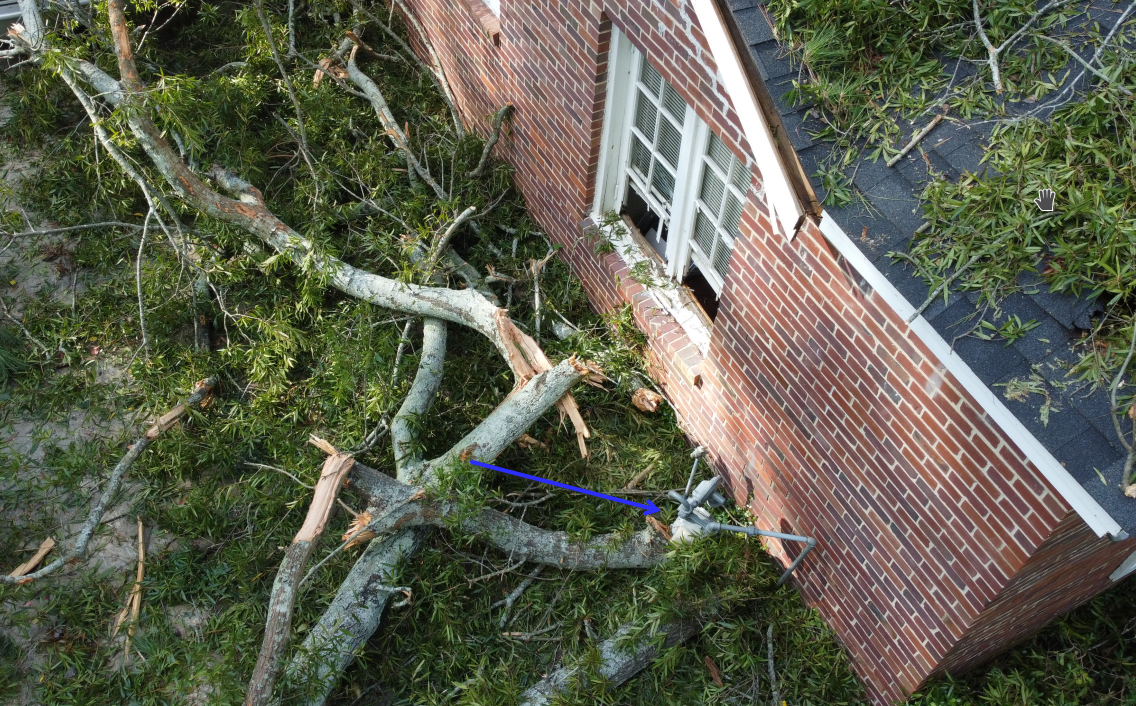 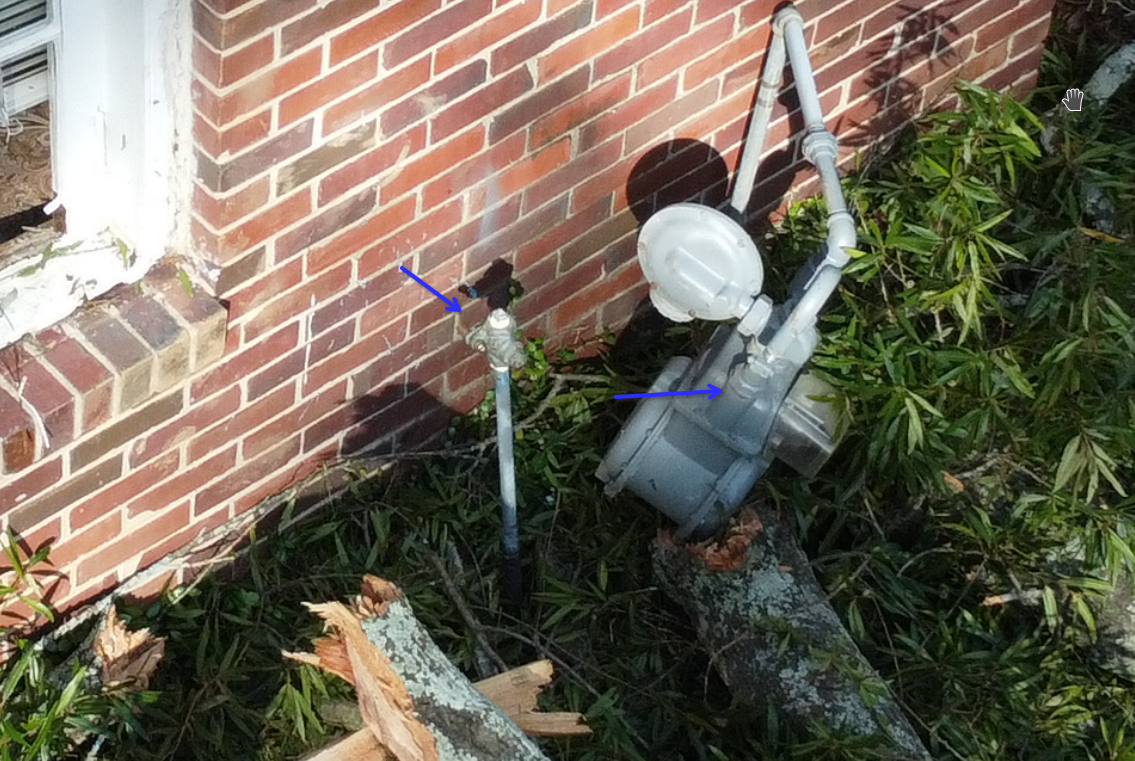
|
|
These are some pics from my area that pretty much summed up the conditions. First time we ever had to tell people we couldn’t get to them because our engines were getting blocked by falling trees each call. Attached File |
|
Quoted: Wrote a lot here in the week or so after, then condensed everything together here Helene AAR South Georgia. Lots of places still with blue tarps on roofs a year later. I live in New Orleans, some of the blue tarps I can't tell if it's been there since Katrina or Ida. |
|
Quoted: FYI StarLink got rid of pausing your mini. You have to pay for a 5 dollar standby plan When I first got mine, it would allow a few minutes of internet access in order to register an account or activate service. Is that still an option without paying the monthly standby fee? |
|
Quoted: We live between Augusta and Greenville in western SC. Forecast was for the storm to swing west of north after landfall and we would get 40-50mph gusts. I watched online sources and saw landfall was east of prediction and by 11pm it still hadn't turned. Got up at 1am to check...coming straight at us. 3am I got up as the wind began to pick up. Made a pot of coffee. Got my elderly Dad up at 4:30 and got him downstairs (afraid we might have roof damage. Power went out abput 6am. Clear NE side of eyewall remnant passed over about 7am. 80+mph gusts for an hour plus. We could see flashes as trees took out power lines in the area. Could hear the booming and thumping of big trees crashing down. When the wind died down to 50mph I walked down to the road. Trees, utility poles, and lines down both directions. Road kinda open by the next day, but the whole region was a disaster. Over 80% of our county was without electricty. Internet was down many places, especially after day 2 when their backup equipment went out. We were without power for 7.5 days. All trash/recycling facilities were closed (fun when you've lost a fridge full of food). Gas and city water worked. I lived in the coastal range of CA for 22 years with strong winter storms, mudslides, road closures, and power outages. Have been "prepping" for a while, so we were mostly ready. Water. I have 2x 5gal blue plastic dedicated water containers. Fill, add a few drops of bleach, seal. Only for drinking and maybe cooking. A case or two of bottled water are good to keep around. After a few days you'll be running out if that's all you have. Food. We keep our pantry stocked with canned food, pasta (smaller types that cook faster are best), rice, potato flakes, etc. Also dried fruit and/or trail mix, vitamins, a few instant meals, instant coffee. Don't forget pets. Keep extra kibble on hand for them. Cooking. We have a two burner Coleman stove, several 1lb cylinders and 3x 10lb with adapter, two smaller backpacking stoves. My wife happily cooked our meals on the back porch. Shelter. We have tarps, a tent, plenty of cordage, lumber, some plywood for makeshift shelter if needed or to temporarily patch a damaged roof or window. Thankfully our house was undamaged other than a few dozen shingle tabs that broke off. Misc. I mostly standardized on 18650 battery LED lamps. Have several headlamps, flashlights, lanterns that use them. I recharge and rotate batteries periodically. We have three small power banks for keeping phones going for a couple of days. Chainsaw and accessories already a must have in our rural area anyway. After Helene I bought a small dual fuel inverter generator. Enough to run fridge, our tankless gas water heater, small electronics, etc. Always keep 10gal non-ethanol gasoline on hand and rotate through lawnmower, tractor, etc. Mindset. Be prepared to live a simpler lifestyle for a while. Triage your needs and focus on those most important to keep you and your family safe (water, food, shelter). Be prepared to work. Hard. Digging out clogged culverts, cutting downed trees, moving debris is Real Work (tm). Get to know your neighbors ahead of time and encourage them to be prepared so they don't become a burden to you and others. Morale is important. Having a couple of games or books to read or small hobbies that don't require power can keep you and your family from getting frustrated and angry. Growing up before everyone having a generator grandma kept several old oil lamps that were mostly kerosene or partiffin oil . If the power was off grandma tossed the milk/butter/etc in the creek probably 1980s |
|
Quoted: Another thing I have learned having gone through a couple of dozen hurricanes in Florida over the decades is to have smaller generators. Unless you live in a very remote location power will be restored within a reasonable time. You can go without conveniences for a while. It ain't gonna kill you. Found out the hard way on that. If you saw the area where they had to bring in Blackhawks to rescue everyone on top of the hospital in Erwin, Tennessee...that's the town I grew up in. I live 15 minutes from there and was lucky enough to not have any major trees down on my property. The rest of the main road up past my house...trees everywhere. I wasn't able to get home until around 8:00pm that night. My mom had no idea what was going on and just thought that the power had went out...it usually does during bad storms. She was obviously and rightfully shocked when I told her what was going on. We did not get power restored at my house for thirteen days. A close friend let me borrow his little generator after their power came back on the following morning. I tried everyday after that to get a generator with no luck, so you can bet I've got one on standby now just in case. Looking back on it, it was stupid on my part to not even have one to begin with. We get decent snow in the winter and will usually lose power for a day or two at a time. Definitely opened my eyes and was a kick in the ass to get caught with our pants around our ankles on that. Mother nature don't fuck around. |
|
Plain old AM/FM radio. I listen to radio all the time so I have a plug in small radio and a small one that takes 2 AA. I know lots of folks that don't have a radio at all. I use this one all the time. $10. https://www.amazon.com/dp/B09KBX1BHF?ref_=ppx_hzsearch_conn_dt_b_fed_asin_title_2&th=1 |
|
Quoted: Wrote a lot here in the week or so after, then condensed everything together here Helene AAR South Georgia. Lots of places still with blue tarps on roofs a year later. Getting roof repairs after a major storm takes time. The only reason I got mine repaired within a month after Ian was I had already started the process of getting my roof replaced before the storm. Materials ordered and rough schedule in place. I think the only thing I hadn't done yet was sign the loan paperwork. Everyone else in the neighborhood had to wait a year or more. There are still people getting roof repairs/ replacement done even now. The guy three doors down from got a new roof last week. |
|
Quoted: Plain old AM/FM radio. I listen to radio all the time so I have a plug in small radio and a small one that takes 2 AA. I know lots of folks that don't have a radio at all. I use this one all the time. $10. https://www.amazon.com/dp/B09KBX1BHF?ref_=ppx_hzsearch_conn_dt_b_fed_asin_title_2&th=1 We have a wind-up radio that will get AM/FM plus the NOAA frequencies. It got used when our power was out for four days after a derecho. Fortunately that was a very localized event so we could get out and get fuel for the generator. Speaking of generator, if you're going to run it overnight make sure someone is awake to guard it. Lots of generators sprout wings and fly away while people slept. Ours had excess capacity so we let a neighbor run an extension cord to it in exchange for gas and help with guarding it overnight. |
|
Quoted: When I first got mine, it would allow a few minutes of internet access in order to register an account or activate service. Is that still an option without paying the monthly standby fee? I don't believe so, So many people bought mini's when they were on sale back in May or so, and I guess they all paused their service. So I got an email stating I had to switch to the 5 dollar plan (I was paying for the 10 dollar plan and still paying for it) to keep it active, or you will have to pay an activation fee I believe when you do decide to take it off pause. this is the email: Updated Terms of Service We’re reaching out to let you know the Pause feature on your plan has been updated. Pause now includes Standby Mode, which comes with unlimited low-speed data for $5.00 per month, perfect for backup connectivity and emergency use. These updates will take effect in 30 days. All of your other plan features remain the same. You are able to cancel your service at any time for no charge. If you have questions, please see our FAQs or Terms of Service. There's a starlink thread in GD if you want more answers. |
| I am in Asheville and we had no power for 10 days and once water came back it was non-potable for 55 days. My biggest takeaway was to have emergency supplies at the house for 10 days. Unless it's a national catastrophe, you will be able to get relief supplies if you live in a populated area. We got flush water from a nearby creek, so we were lucky on that one. I also had a large life straw filter system that we could have used if we needed to. Of course, everyone panicked about everything, and if people had hung out at home for a few days instead of running out trying to get gas and generators, it would have been better. Of course my wife and my neighbors wife HAD to go to Greenville for supplies that we didn't really need. We could have easily stayed home for a month if we had to. |
|
Quoted: Plain old AM/FM radio. I listen to radio all the time so I have a plug in small radio and a small one that takes 2 AA. I know lots of folks that don't have a radio at all. I use this one all the time. $10. https://www.amazon.com/dp/B09KBX1BHF?ref_=ppx_hzsearch_conn_dt_b_fed_asin_title_2&th=1 This, it's surprising how many people are screwed for info when their phone runs out of juice or loses towers to get signal. Even a little weather radio the size of a pack of cards [or smaller] is nice to have around. I think I have 3-4 radios that take batteries, most were picked up at garage sales for a couple bucks and never had a battery ever put in them. [always check the contacts are corroded] Never store anything with batteries with batteries installed......................... |
|
Quoted: It a double edged sword. Having appliances that run off NG lets them work when there's no power. They still don't work if the NG isn't running. There needs to be something with electricity at the other end pumping the gas to your house. There needs to be uninterrupted gas line all the way to your appliance. The top of a tree smashed my mom's gas meter during helene. Take a guess who's gas appliances didn't work. As you can imagine, it was a huge gas leak. The kind that blows up entire houses. Everybody around called 911 and the gas company. It took them 2 days to get it capped off. Several more days to come out and get a new meter on it. At least with electric appliances, you have the option to run them off different types of energy when the NG is kaput. But I do agree, its nice to be able to have hot water and run the furnace and shit with only a minimal generator to run the blower motor. Another thing we saw a lot of was tree roots tearing up buried utilities. Trees blew over, and whatever was buried nearby was fucked. Most of it around town was water lines. There were some gas lines here and there. Yeah, I dont disagree. Its a matter of risk management for your particular area. I think my basic idea is having a genny that can run from more than 1 fuel source. We have also have a camper that I upgraded from a 1 tank to a 2 propane tank set-up. All in all, we have 5 20# tanks around here at any given time. |
|
Great info, thanks for posting. I posted about this yesterday. I'm close to Tampa, and Milton was about 20 miles from me as it was going NE across the state. It was still a category 2 hurricane. We lost power at about 9:15 pm, I was posting on here until that point. After the power loss, that's when things got scary. We had some minor house damage. The biggest issues were the trees up and down our street. Some of them were just shredded into pieces, most of it was limbs 6" and smaller. I have always been prepared for these storms. I'm about 30 mi from the Gulf, so we have some buffer. When you go through something like this you find out what works and what doesn't work, and make adjustments accordingly. |
| Any thoughts or lessons on dealing with the issue of nails/screws everywhere? In all the major storms I've been involved with, usually with the Guard afterwards, every road and street was a minefield of nails/screws that played hell with vehicles. Not an issue if you're 100% staying put, but even a short trip to fetch or loan or share or in-person coordinate usually came with tire damage. You can avoid that by being 100% static for the duration, but that's a tradeoff too. |
|
Quoted: Of course my wife and my neighbors wife HAD to go to Greenville for supplies that we didn't really need. We could have easily stayed home for a month if we had to. this turned out to be a real problem where I am. as soon as men got one lane of a road open, the emergency and construction traffic couldn't get through because it was jammed up with women sightseeing and trying to post on social media. they really have neither common sense nor shame |
|
Quoted: Of course my wife and my neighbors wife HAD to go to Greenville for supplies that we didn't really need. We could have easily stayed home for a month if we had to. I saw that, too. Mofos was just bored. They didn't know how to sit at home without any TV or facebook to scroll through. They ended up making the 2hr round trip up the highway to where placed had power "for supplies", but really it was just to fill their time. |
|
Quoted: Any thoughts or lessons on dealing with the issue of nails/screws everywhere? In all the major storms I've been involved with, usually with the Guard afterwards, every road and street was a minefield of nails/screws that played hell with vehicles. Not an issue if you're 100% staying put, but even a short trip to fetch or loan or share or in-person coordinate usually came with tire damage. You can avoid that by being 100% static for the duration, but that's a tradeoff too. Have plenty of tire plug kits and a compressor. That is what I do. Only thing I can think of. |
| Anyone who is worried about running a generator at night for fear of it being stolen out of your yard should consider getting a battery backup and charging it during the day with the generator then using it at night. You can keep it in the house and it's silent. |
|
Anyone who is worried about running a generator at night for fear of it being stolen out of your yard should consider getting a battery backup and charging it during the day with the generator then using it at night. You can keep it in the house and it's silent. That's my SOP- I can charge several power packs up during the day using the generator and/or solar, and then coast through the night without the noise and light signatures. It's only been an issue once in the rural area where I live. That was after a week without grid power and it was folks coming from elsewhere cruising around looking for vulnerable, solitary homes to take advantage of. |
|
Dont live next to a creek. I was prepared for most things, a flood was not one of them. You dont really expect a flood in the mountains. This is the creek that flooded my apartment. My phone is at about the height of where the creek crested. Attached File My best guess is that little creek rose about 16-18 feet. I know it went from being about a foot lower then my apartment to almost 3 feet inside my apartment in 30 mins. Was a sad day, but i also had some faith in humanity restored that following week by the members on this forum. |
|
Quoted: That's my SOP- I can charge several power packs up during the day using the generator and/or solar, and then coast through the night without the noise and light signatures. It's only been an issue once in the rural area where I live. That was after a week without grid power and it was folks coming from elsewhere cruising around looking for vulnerable, solitary homes to take advantage of. Quoted: Anyone who is worried about running a generator at night for fear of it being stolen out of your yard should consider getting a battery backup and charging it during the day with the generator then using it at night. You can keep it in the house and it's silent. That's my SOP- I can charge several power packs up during the day using the generator and/or solar, and then coast through the night without the noise and light signatures. It's only been an issue once in the rural area where I live. That was after a week without grid power and it was folks coming from elsewhere cruising around looking for vulnerable, solitary homes to take advantage of. And I also have folding portable solar panels for each of them just in case. |
|
Quoted: Cleanup and route clearance (hurricane/tree-specific) - get a chainsaw. A good one, and bigger than you think you need. A small one will do 90% of what you need, but the big tree trunk it won't cut might be across your driveway. Run it once a month. Keep everything on hand that you need to keep it running - extra 2 cycle oil, gas, bar and chain oil, round and flat files, and extra chains. If a tree falls across your driveway, you either clear it yourself or wait for someone who has a saw and everything I just described. I had everything except an extra chain. I would have been out of commission four days in when I bent my chain if my dad hadn't had extras when he came to help me clean up. Chainsaws are like tanks and armored vehicles - they're a huge force multiplier if you have the supply chain to keep them operational. I appreciate all the time and effort you put into your initial post, but disagree on this point. If a person is just getting a chainsaw for this purpose, and does not have the stamina or experience to safely use a large saw, this would be a really bad time for them to hurt themselves. Better a smaller saw, even a battery powered one and having to take a while longer than using a large one, becoming fatigued, and injuring themselves. I understand your thoughts, but if a person is tired, stressed, & inexperienced, this is a bad time to learn a new skill with such an unforgiving machine. |
|
Quoted: Dont live next to a creek. I was prepared for most things, a flood was not one of them. You dont really expect a flood in the mountains. This is the creek that flooded my apartment. My phone is at about the height of where the creek crested. https://www.ar15.com/media/mediaFiles/520880/20250926_180704_jpg-3632759.JPG My best guess is that little creek rose about 16-18 feet. I know it went from being about a foot lower then my apartment to almost 3 feet inside my apartment in 30 mins. Was a sad day, but i also had some faith in humanity restored that following week by the members on this forum. Glad we could help out. Just wondering yesterday how things were going for you. |
|
Quoted: I live in east Georgia, southwest of Augusta and we got sucker punched by hurricane Helene a year ago today. I say sucker punched because it wasn't really on my radar until the day it arrived. Everyone expected it to go straight up the middle of the state and it did until about 5am on the morning of the 27th when it took a hard east turn toward us. I made a lot of mental notes in the ensuing days as I tried to clean up and help my neighbors. Those became written notes and now I’m adapting them for your edification. Some of it was stuff I had already thought about and applied, some was stuff I knew but hadn’t really applied, and some things I hadn’t considered. Most of this will really only apply to a city-size disaster. In the event of a disaster that affects large portions of the country, some of this won’t apply. To be clear, it was nothing like what NC/TN got, and it wasn’t as bad for me as for some in the area. That said, it was probably the worst disaster anyone alive today in this area has ever seen. For me personally, the house took some damage and we were without power for 13 days. Being on a well, that also meant no water until I got the generator going. But my house wa livable and my wife and kids were OK so I am thankful. Unlike what appears to be the case in NC/TN where the destruction was largely caused by flooding, most of our destruction was caused by downed trees. It rained for almost 24 solid hours (approximately 15 inches) before the actual hurricane arrived, which softened the ground and caused many trees that might otherwise have withstood the wind to uproot. The trees fell across roads, across houses, and across power lines. Having the preps I had helped me avoid needing to go, for instance, to downtown Augusta for the free bottled water handout. There weren't ever roving gangs on the street wielding machetes, but people drive bad enough when the traffic lights are working; they go absolutely nuts when they’re off. I heard there was some looting in Augusta but nothing too crazy. Pretty early on I took my wife and kids to stay with family in Athens Georgia, and spent my time clearing roads, then getting the mess off my house, then trying to help neighbors. In no particular order, here are some thing I learned: Supplies availability - “if power goes out, I’ll go buy a generator.” No you won’t. Everyone will need the same things you need. They'll go the same directions and check the same stores. You will not think of a store that sells gas cans that someone hasn't already thought of and bought out. I tried Walmart, Tractor Supply, Academy, Harbor Freight, Home Depot and Lowes in Athens trying to find a gas can to help a friend two days after. More than a week post-hurricane, you couldn't buy an L15-30P plug east of Atlanta at least. Chainsaws weren't much better. That said, in a disaster that affects a region only as big as a hurricane, the market will bring in those relief supplies pretty quickly because there's money to be made. Generators were totally gone two days in, but by a week later there were pallets of them at Walmart. Again, in a broader multi–state disaster, this whole calculation would change. Transportation - keep the cars gassed up if there's any sign of trouble brewing, of course. Be prepared to travel to meet your needs. I regularly made the 3+ hour round trip to Athens to get gas or other needed items. While you couldn't get gas cans in Athens, that city was otherwise basically untouched. People in my area were panicking about gas and groceries not being available within 5 minutes of their home, so be prepared to go where the emergency didn't touch. At no point in all this did my truck have less than a half tank of gas, and about a week after the hurricane the gas stations in the area were largely back online. The practice of keeping gas filled and doing so in other towns allowed me to avoid the "watering holes" - places where everyone has to gather and tend to get testy over scarce resources. Also get a road atlas because GPS may not be reliable in the immediate aftermath and you might need to plot an unorthodox route. Bugout location - Related to being prepared to travel, if you can get your family outside the emergency area it clears up a lot of time and mental energy to address other problems. The day after the storm, I stashed wife and the younger kids with extended family in Athens. That obviously had its challenges for them but allowed me the agility to get cleanup done at our house or go help other people. If they had stayed home, a significantly higher percentage of my energy and time would have been spent securing resources (e.g. water) for them, and I would not have ventured as far trying to help other people in town. This may be difficult if you don't have family two hours away and the hotels/airbnbs fill up with disaster refugees. Be willing to make the decision before everyone else realizes how bad things are. We lived through a tornado in 2017 that wrecked our town but the town 20 minutes away was completely untouched. This was much bigger than that but we could still get outside of it pretty easily - approx 90 miles was enough. Social unrest - the first two days brings out the best in people. It really doesn't take more than any four days to bring out the worst and people start getting nasty. Though it is worth mentioning here that there is a difference between rural and urban areas in this regard. I never felt like I had to even keep an eye on my neighbors - we all looked in on each other and worked together to make sure the old folks on the street had what they needed. In the city, from what I heard, people got testy within a couple of days. Fortunately for us, the line crews just flooded in and got things up and running, starting in the more densely populated areas. When we did have to go to Augusta we made an effort to be out by dark. I mentioned to a friend that it felt like I Am Legend where Will Smith’s character always had to be in when the sun set. Food - two weeks of shelf stable food for your whole household, stored separately from your normal pantry. And be realistic; your teenage son isn't going to just eat one can of green beans a day. Also probably stack some to share with neighbors. Again, the idea is to free you up from needing to go to the watering holes. Don’t underestimate the importance of a hot meal every now and again. Canned beans will keep you alive, but food is more than just calories. Water - This was the biggest lesson for me. When the power went out and my generator initially didn’t run, there was no water in my house. In town, there were intermittent boil advisories, and they did shut municipal water off for a little while from what I understand. Anyway, I now think about water in two categories: drinking and other. Other can be for washing, flushing toilets, etc. Drinking water requires purification/filtration and relatively low volume; other water you really just need volume. Figure out either a reliable source to get water and purify it, or a way to store a lot and then purify it. If your plan is to hoof five gallon buckets to the creek, that's extremely labor intensive and will take a large part of your day. I was mostly able to get drinking water from Athens, though for a few days I did fill five gallon buckets from a ditch for toilet flushing water. Electricity - I can tell you what I learned the hard way. Ideally, get a dual fuel inverter generator, and I'd recommend 5000 running watts or more. Dual fuel because propane is easier to store and can be easier to find when the crowds are panicked about gas. Inverter because it's quieter and more fuel efficient. Make sure it has a 240V/30 amp plug. Crank it every month and let it run. Use ethanol free gas, and keep extra oil on hand for it. I had a generator but I didn't keep up with maintenance and I didn't have that L15 30P plug extension cord I needed to run the well pump. For the first five days the foresight of having a generator did me absolutely no good because it didn't crank. I needed to find a small engine shop to replace the carburetor and guess what - so did everyone else in the region. One interesting observation is that without power (and thus without A/C) most modern houses would pretty quickly become too humid to be livable, at least in the south in September. We had a dehumidifier going off the generator to try to keep everything from molding. Lighting - the technology in this area is amazing. Headlamps are a must-have. Keep them locked up if you have kids, or the headlamps will probably be gone when you need them. Harbor Freight sells a small LED work light for $2 that runs 48 hours off a couple AAAs. I probably bought 6 and just stashed them. I also have some rechargeable flashlights that use the same chargers our phones do so I can charge them up in the truck, though I haven't even needed to yet. We were really never without light when we needed it. Comms - depends on who you want to talk to. Cell service, SMS, and 5G have at different times been available or absent. Ham radios are fine if there's someone in range you want to talk to and you have a pre established ICE comms plan. They're also useful for monitoring weather and other emergency broadcasts. Make sure you have car chargers for any comm equipment. My friend up the road has Starlink, which basically gets you internet anytime you have power. For my part, it was fun getting our news the old fashioned way - via panic gossip from ill-informed neighbors. FRS radios are obviously useful in a caravan, or very locally. Dirty Civilian on YouTube has some incredibly helpful videos on this subject, and basically everything I'm saying here. Cleanup and route clearance (hurricane/tree-specific) - get a chainsaw. A good one, and bigger than you think you need. A small one will do 90% of what you need, but the big tree trunk it won't cut might be across your driveway. Run it once a month. Keep everything on hand that you need to keep it running - extra 2 cycle oil, gas, bar and chain oil, round and flat files, and extra chains. If a tree falls across your driveway, you either clear it yourself or wait for someone who has a saw and everything I just described. I had everything except an extra chain. I would have been out of commission four days in when I bent my chain if my dad hadn't had extras when he came to help me clean up. Chainsaws are like tanks and armored vehicles - they're a huge force multiplier if you have the supply chain to keep them operational. To me, chainsaw work to clear downed trees falls into three categories: 1. Clearing driveways and roads (which needs to be done immediately before any emergency vehicle needs to come through) 2. Clearing trees off roofs to tarp holes (which needs to be done before the next time it rains) and 3. Yard cleanup (which needs to be done eventually). Other people don't seem to triage this way - we'd hear of someone asking for desperate immediate help and when we'd show up they'd basically have a few limbs down. I also bought three 20' tow straps and a come along from harbor freight and they've been used a lot. I also keep a tourniquet in my pocket when I'm running a chainsaw. Harbor freight also sells some $6 mechanics gloves and those were a near constant companion for 8 days. Worth their weight in gold. Fuel - keep at least 5 (probably 10-15) gallons of gas on hand. This is really to hold you over the first few days until gas stations get power back. Cycle them into your car once a month and refill. Propane stores more easily so it's not a bad idea to have 3-4 propane tanks (or one big one) to feed a grill or heater or the dual fuel generator I mentioned above. Be really careful with fuel - if power goes out you'll be handling it a lot more than usual and it's easy to fuck up. At least two houses within 5 miles of me burned to the ground, and both were rumored to be fuel related. Intermittent cell service also meant no way to call the fire department. Cash - most places won't open if they can't process a card, but I did buy some things for cash both from a local store and from friends/ neighbors. Last but not least, have friends that you can take turns on supply runs or consolidate them, share both resources and knowledge and help each other with big tasks, and keep up morale. I had two friends and my dad come help me clean up and get trees off my house, and just having the camaraderie was worth more than the sum of the parts of their help. I tried to upload some more pictures but they're apparently too big. https://www.ar15.com/media/mediaFiles/72264/1000008812_jpg-3631707.JPG A few comments: Get all your preps done by minimum day 4 BEFORE it's capable of reaching your region. This automatically means you'll occasionally look like a darn fool to anyone who doesn't know better. Supplies: Expect none to come in for a week. Longer, if interstates get messed up. Them coming in doesn't mean you can get them. Gas, gascans, generators, and water can clean out of every single place that has them in a few hours, with zero warning. Note comment above about four days before. Re: water - filtration is not steriliation. You need both. If you are on city water and sewer - dear lord, life is about to suck for you. You better have camping potties and a place to dump the bags on your property safe and sterile. Also, if you don't have your own propane/lng tanks and an associated water heater, you'd best get ready for some brutal cold showers. Or, be smart, get camping showers and hang them out in the sun to heat. Transportation: If the wind is bad enough to tear shingles off roofs, expect roofing nails in the road. Guys that roll where that happens run heavy duty magnets hung off the front bumper and they STILL need to carry oodles of tire plug kits and multiple spares. Don't count on tire stores being open or able to sell to you. Oh yeah. You'd best have cash on hand. If the power goes out for a while, internet can and will go down, and kiss credit cards and all other forms of payment that require the net to work goodbye. Bugout: See comment about fourth day. You either leave too early and avoid all the traffic and risk looking like a fool then spend whoever knows how long unable to get home ... or you probably get hung up in traffic. Do NOT plan to get a hotel room easily. Seriously consider an inflatable matress in your vehicle, and security concerns for sleeping in your vehicle. Social: third day is pretty notorious. Where most people are preppet it can go longer, but the 2nd or third day of no water and no food takes the civilization right out of people. You have to be careful about people knowing what you have and avoiding starting anything or going where it can happen. Excluding gas stations. That can be tense even in the nicest areas. Generator: multiple small ones big enough to handle the startup draw of your largest pull. One large one means you're screwed when it goes down and they are hard to move around and deal with. If you don't have an inverter generator (read, expensive) you shouldn't be running things like computers off them, they don't like the not-sine-wave those make. Don't run the thing where the CO can build up in your house. If you ahve friends who can fab or know a good muffler shop, being able to have a full size muffler on it that makes them whisper-quiet is a huge bonus. If anything, when power's out for a long time, you don't want everyone to have an audible "generator here, come steal it." Fuel: Look into gas caddies (they go up to about 30 gallons), get a manual tranfer hose, and several one gallon cans. ------------------- Before the storm: Mow your lawn, clip it down close. Wash EVERY bit of clothes and etc. Buy a boatload of paper plates and disposable dishes and utensils. For your freezers and fridges, they make temperature alarms, get one that doesn't need external power. This is a useful thread: https://www.ar15.com/forums/Hometown/FLORIDA-HURRICANE-INFORMATION-RESOURCES/10-646291/ Fans. Get floor fans. Always have screened windows you can pull a cross house line of ventilation from. If you ahve good fans and at least a couple of windows, you'll be surprised what you can live in. Comms: cell towers will go out and they still rely on connections to copper and fiber. |
|
Quoted: What would have been nice where I am located would have been being able to reliably get ice. Everyone shouting water and even giving it away when you really needed ice. @j3_ Get a counter top ice maker. I have 2 now, and they run on relatively low power. My wife was pregnant and suffering from the heat of a Texas summer during some of our prepping time. I ended up with an inverter generator, window shaker, and ice makers. Not the most efficient use of power but can be literally a life saver depending where you are. Couple that with a good cooler and you can get stuff to be reasonable for a while. A random thing to check out is to see if your favorite brand of tools make inverters for the batteries. I'm a Ryobi guy and have a dozen batteries between the yard and shop tools. They make a ~$40 adapter that has a little light, USB chargers, and a standard plug all hooks on to a battery. More than enough for recharging tablets and USB fans they sell at office supply stores run for a long damn time. |
|
Quoted: Have plenty of tire plug kits and a compressor. That is what I do. Only thing I can think of. Quoted: Quoted: Any thoughts or lessons on dealing with the issue of nails/screws everywhere? In all the major storms I've been involved with, usually with the Guard afterwards, every road and street was a minefield of nails/screws that played hell with vehicles. Not an issue if you're 100% staying put, but even a short trip to fetch or loan or share or in-person coordinate usually came with tire damage. You can avoid that by being 100% static for the duration, but that's a tradeoff too. Have plenty of tire plug kits and a compressor. That is what I do. Only thing I can think of. @mrmissem Pardon sir. Spend your money! https://www.northerntool.com/categories/road-magnets 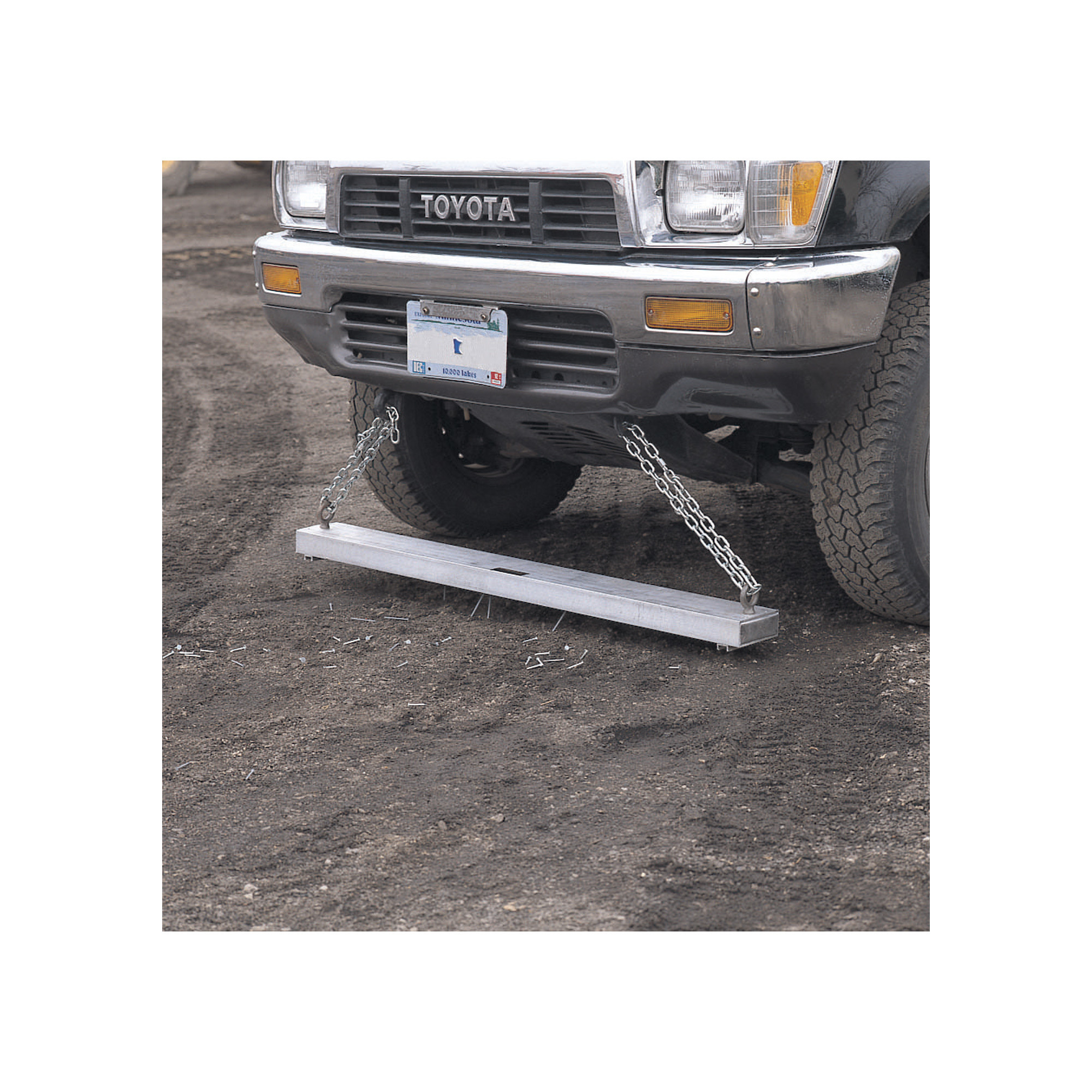
|
|
Quoted: @mrmissem Pardon sir. Spend your money! https://www.northerntool.com/categories/road-magnets https://assets.northerntool.com/cdn-cgi/image/fit=scale-down,width=2000/products/150/images/150166.jpg OK, now that is a good idea. |
|
Quoted: @mrmissem Pardon sir. Spend your money! https://www.northerntool.com/categories/road-magnets https://assets.northerntool.com/cdn-cgi/image/fit=scale-down,width=2000/products/150/images/150166.jpg It doesn't cover the tires. |
|
Quoted: It doesn't cover the tires. Quoted: Quoted: @mrmissem Pardon sir. Spend your money! https://www.northerntool.com/categories/road-magnets https://assets.northerntool.com/cdn-cgi/image/fit=scale-down,width=2000/products/150/images/150166.jpg It doesn't cover the tires. We have a 6' wide one at work that does span the tires just fine. It works largely adequately at a walking pace. |
|
Quoted: We have a 6' wide one at work that does span the tires just fine. It works largely adequately at a walking pace. Quoted: Quoted: Quoted: @mrmissem Pardon sir. Spend your money! https://www.northerntool.com/categories/road-magnets https://assets.northerntool.com/cdn-cgi/image/fit=scale-down,width=2000/products/150/images/150166.jpg It doesn't cover the tires. We have a 6' wide one at work that does span the tires just fine. It works largely adequately at a walking pace. A really strong electromagnetic one might be just the ticket, but that'd be involved. |
| If you've ever used a magnet to pick up steel cases at the range, or you ever watched a roofing company clean up even once, you know that magnet wont be worth the time. It takes several passes over an area to pick up the nails and steel cases. Just passively drive over them where the magnet is over them for a couple milliseconds won't do fuckall. |
|
Quoted: Plain old AM/FM radio. I listen to radio all the time so I have a plug in small radio and a small one that takes 2 AA. I know lots of folks that don't have a radio at all. I use this one all the time. $10. https://www.amazon.com/dp/B09KBX1BHF?ref_=ppx_hzsearch_conn_dt_b_fed_asin_title_2&th=1 I need to get another one of those. I gave mine to my mom (she has dementia) to keep her entertained while my wife and I rebuilt the house after Ian. I have no idea where it ended up. Mom probably put it in a drawer or the toilet tank for safe keeping or something. |
|
Quoted: Any thoughts or lessons on dealing with the issue of nails/screws everywhere? In all the major storms I've been involved with, usually with the Guard afterwards, every road and street was a minefield of nails/screws that played hell with vehicles. Not an issue if you're 100% staying put, but even a short trip to fetch or loan or share or in-person coordinate usually came with tire damage. You can avoid that by being 100% static for the duration, but that's a tradeoff too. Something I have started doing after storms is taking my leaf blower for a walk down the road to clear small debris. Really cuts down on the tire damage, and since I will clean out the gutters at the same time, it helps with drainage. Of course this is after either the neighbors or myself get any trees or large limbs out of the road. If you can get multiple people in on the fun you can get all the roads in your neighborhood, at least out to the main roads cleared pretty easily. It actually helps the repair crews coming in since they do not have to worry about tire damage as well. I think we got power back a little quicker on my street after the last storm because of it. My actions after a hurricane hits are basically as long as there are no flood waters, I check the house for any major damage, open the storm shutters, haul out the generator and get the fridge, freezer, and internet going. Then I call friends and knock on doors of near by neighbors to see if they need any immediate help. After that I start making sure the road is clear. Most of my neighbors do much the same thing. Unfortunately we have gotten pretty efficient at it due to lots of practice. |
|
Quoted: I appreciate all the time and effort you put into your initial post, but disagree on this point. If a person is just getting a chainsaw for this purpose, and does not have the stamina or experience to safely use a large saw, this would be a really bad time for them to hurt themselves. Better a smaller saw, even a battery powered one and having to take a while longer than using a large one, becoming fatigued, and injuring themselves. I understand your thoughts, but if a person is tired, stressed, & inexperienced, this is a bad time to learn a new skill with such an unforgiving machine. Quoted: Quoted: Cleanup and route clearance (hurricane/tree-specific) - get a chainsaw. A good one, and bigger than you think you need. A small one will do 90% of what you need, but the big tree trunk it won't cut might be across your driveway. Run it once a month. Keep everything on hand that you need to keep it running - extra 2 cycle oil, gas, bar and chain oil, round and flat files, and extra chains. If a tree falls across your driveway, you either clear it yourself or wait for someone who has a saw and everything I just described. I had everything except an extra chain. I would have been out of commission four days in when I bent my chain if my dad hadn't had extras when he came to help me clean up. Chainsaws are like tanks and armored vehicles - they're a huge force multiplier if you have the supply chain to keep them operational. I appreciate all the time and effort you put into your initial post, but disagree on this point. If a person is just getting a chainsaw for this purpose, and does not have the stamina or experience to safely use a large saw, this would be a really bad time for them to hurt themselves. Better a smaller saw, even a battery powered one and having to take a while longer than using a large one, becoming fatigued, and injuring themselves. I understand your thoughts, but if a person is tired, stressed, & inexperienced, this is a bad time to learn a new skill with such an unforgiving machine. This is my thought as well. I just have no experience with chain saws. I use a battery powered reciprocating saw with a limb blade on it, hand tools, and a rope/tow strap to clear trees. I can get most anything out of the way enough for people to get through or at least make things much easier on someone that knows what they are doing. |
|
My chainsaw advice from this springs storm damage, and more storm damage, and more storm damage... Yes, sometimes you need a big saw. But a lightweight battery powered saw you can hold with one hand if needed can be an incredibly useful thing to have. A 16" Stihl lasted as long on a battery as I could, or at least should, have run it at a stretch. Not having to deal with smoke, or wearing hearing protection was so much easier. Massively useful tool. Huge thumbs up on a good battery powered chain saw. On generators... have dual fuel types that are (so far) dedicated to propane use only. No issues with carbs etc. The backups/alternates are gasoline and get used a little from time to time to keep them going, which has worked so far anyway. Quoted: Ego 18" saw charged off of the inverter generator was mighty convenient. Starts every time. Yup. No hassles, no stress from noise, you probably shouldn't be working straight through for longer than a battery charge anyway. Even the smallest mental lapse in chainsawing can be catastrophic, and you do not need to compound the catastrophes. |
|
Quoted: Getting roof repairs after a major storm takes time. The only reason I got mine repaired within a month after Ian was I had already started the process of getting my roof replaced before the storm. Materials ordered and rough schedule in place. I think the only thing I hadn't done yet was sign the loan paperwork. Everyone else in the neighborhood had to wait a year or more. There are still people getting roof repairs/ replacement done even now. The guy three doors down from got a new roof last week. Yep. Still slow around here. Helene hit September 27 and our new roof in April. |
|
Quoted: What would have been nice where I am located would have been being able to reliably get ice. Everyone shouting water and even giving it away when you really needed ice. Somebody at our church hooked a generator just to our ice machine in the fellowship hall. Passed the word around. Sure was nice. |