


Posted: 12/30/2006 10:54:00 AM EDT
|
how do you do this , what is required? stove top? are toxic fumes produced? Dont worry I am not reloading. I need to fill a retro kettlebell with lead ( weight training). lead shot is $$$ but melted down wheel weights might work maybe ...I need 200# |
| I use a Hot Pot 2 for all my smelting needs but I make alot of sinkers. Just go with the tire whieghts the heat will kill anything. Besides you'd be an idiot for not using gloves when handling lead anyway. Just remember to pull out the steel clips from the wheights and don't touchm there hot. I use hemostates for this and then skim the crap off the top with a spoon but if it's just for garbage/utility use don't even bother with that. |
|
Kitchen stove would work - but only if you have a vent hood with a good working fan. I have done this years ago for very small melts - under 5lbs. But I won't anymore. Lead is not near as toxic as most people think - but most wheel weights are "hardened" by adding ARSENIC and that can be a major issue. The fumes from the contaminants such as paint, oils etc. can be more toxic even. Best deal would be to do this out doors on a charcoal grill. Buy some dutch oven cast iron pots from Harbor freight - they are cheap and will allow you to get a large melt in one batch. (link is for the large pot - they have a smaller one.) I use these on a plumbers furnace to make clean metal ingots to feed my Magma Master Caster. |
| If you are just filling some kettle bells, wheel weights will be fine. All you need, aside from saftey concerns like high temp gloves and an apron that can handle a possible spill on your torso, heavy boots to protect your feet and safety glasses, is a Coleman stove and an old cast iron skillet. I don't know how much propane you will need to melt 200 lbs of lead, and it will take multiple melts in a cast iron skillet, but it's relatively cheap. Just melt the lead in the cast iron skillet and pour into your kettle bell. As noted above, let no liquid fall into the lead after it has melted, you will get a nasty steam explosion, and the lead goes everywhere. It's just weight, so flux shouldn't be needed. Also, I don't know how large an opening you have in the kettle bells, but I imagine it might get clogged with a pour of lead if cold, as lead solidifies quickly. Lead shot might actually be your best bet. |

Water goes under the surface of molten metal, it then turns from a liquid to a gas and expands 1600 times. If it happens just so the tiniest bit of water will empty the pot. I heard of a Scab at a steel mill that had crossed the picket during a strike. A cooler of water fell, all by its self no doubt, into a pot of molten iron and it splashed all over the scab. He never worked again. |

They are right - water contacting molten metal causes an explosive steam flash. Note never add additional wheel weights directly to liquid lead - if there is enough piled up to keep them out of the liquid ok - but when in doubt don't. (water can get/be inside around the steel clips) Wear all sorts of protective gear - leather apron, gloves, boots, face shield - long sleeve shirt or better a welders half jacket. Working with molten metal is a Darwin test. |
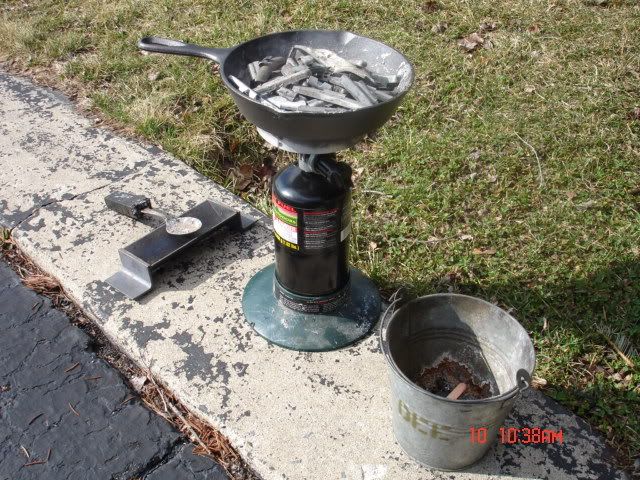
|
One of my first jobs was working in brass and bronze foundry. I used to melt the scrap lead and zinc. We used a cast iron pot that would hold at least a ton of metal. The lead and zinc were stored out in the yard. I learned real fast to dry out anything that was brought in from the yard. The zinc was the worst. Most of the zinc scrap was old lithograph plates. Water would get sucked up in between the sheets. If you didn't watch what you were doing that zinc would come out of the pot faster than when it went in. Very spectacular. Don't forget to flux the melted lead. We used to use powdered chacoal, but beeswax will work or a commercial flux. Skim off the impurities or the dross as it is called and you should have good casting metal left. BTW, I did that for about 2 years. We had our blood tested every year in order to check lead levels, etc. Never had a problem. Good ventilation is the key. |
| Yes, be very cautious with molten lead. Sounds like you just need crap weight,forget the bird shot and wheel weights, head to your local indoor range and make arrangements to help clean it out. You will have to skim off more sand, junk, and jacket material and the result may be soft or hard ,but you should be getting the junk for free |
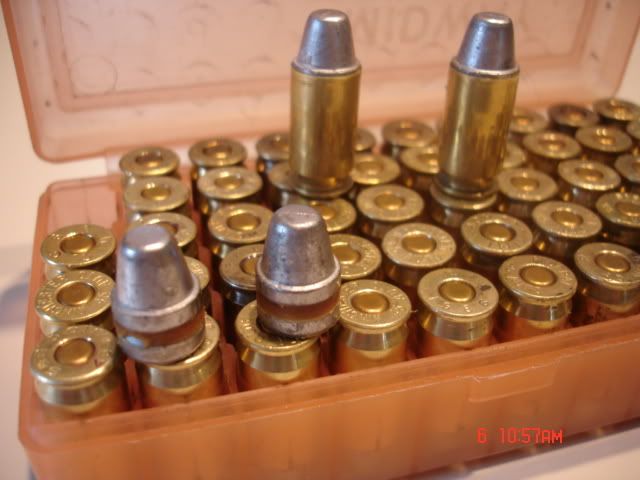

The same thing if a bug, rain drop, grease or anything else volatile that can go to a gaseous state in 800 degrees. It will EXPLODE the pot or part of it. I would say a full face shield and welders gloves are a must. no sandals or shorts. Need Cotton clothes, hot lead will melt synthithics on to you. Will piss the doctors off when they try to peel them off. |
I guess it is a darn good thing my parents never read this thread back in the late '50s when I got a lead soldier casting set for Christmas. My brother and I would melt up a ladle of lead in our room,and then pour it in the molds. Until the molds heated up,the soldiers would not come out well,so back into the pot with them until we got good ones-then we painted them after they cooled. Somehow we survived-and I even further courted a horrible death by casting bullets for my muzzle-loader when I was in my teens-I don't know how I ever avoided that horrible explosion that apparently occurs when a drop of moisture comes near lead
|
+1 I used to melt roofing lead for pellets for a slingshot when I was 12 using nothing but an empty bean tin and a pair of plyers. After reading all the above information I have no idea how im still alive and (according to me) un-retarded
|